
Getting Your Flying Insect Problem Under Control
Bees, Wasps, Yellow Jackets, and Hornets can ruin any day you want to spend outdoors with your family, or working around your home. Not only are these pests annoying, but for many, they can be deadly if they’re allergic. With warmer weather comes these flying pests, so we’ve developed this resource page for people looking to alleviate themselves of these flying annoyances.
The information on this page, and this website is provided as reference only. Bees, Wasps, Yellow Jackets, and Hornets are dangerous, we do not recommend combating these pests on your own. If you decide you need assistance, United Pest Solutions offers advice to help you make the right decisions when it comes to ridding your home or business of these flying insects.
How to Identify Common Stinging Insects
Knowing the type of stinging insect you’re dealing with is crucial for effective management. Here’s how to recognize four common types:
- Honey Bees: These vital pollinators have fuzzy bodies in yellow and black, making them easy to distinguish. Honey bees are typically docile and only sting when threatened, often in defense of their hive.
- Wasps: Recognized by their smooth, shiny bodies and black-and-yellow patterns, wasps are more aggressive than honey bees. They often build nests in sheltered areas like eaves or sheds.
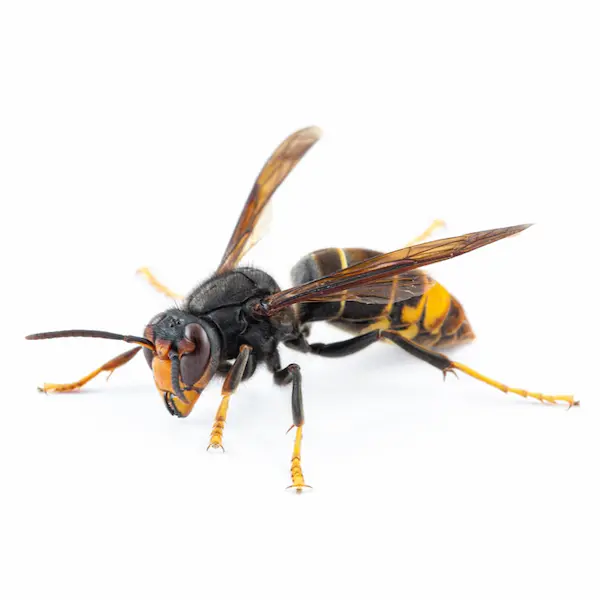
- Hornets: Larger than wasps, hornets are robust with white and black or yellow markings. Extremely territorial, they can sting multiple times and are highly defensive of their nests.
- Yellow Jackets: Small but fierce, these wasps are marked with bright yellow and black stripes. They frequently build nests underground or inside walls and are notorious for their aggressive behavior.
Not sure what type of insect is causing the issue? Our experts are here to identify the species and recommend the safest, most effective removal strategies.


Frequently Asked Questions About Bees, Wasps and Hornets
How do I get rid of bees and wasps around the house?
To safely remove bees and wasps, start by identifying the insect and its nest. Avoid disturbing the area, as this can provoke aggressive behavior. Instead of trying DIY methods, contact professionals like United Pest Solutions for safe and effective removal or relocation, especially for honey bees, which are important for the environment.
How can I keep wasps and hornets away?
Preventing wasps and hornets involves eliminating food and water sources, such as open trash bins and standing water. Regularly inspect your home for nests in eaves, trees, or sheds, and seal any cracks or gaps where they might nest. Planting natural repellents like mint or citronella around outdoor spaces can also deter these insects.
What is a bee's defense against hornets?
Honey bees use a method called “heat balling” to defend against hornets. They swarm the hornet, creating a tight ball and vibrating their wings to generate heat. This heat is enough to kill the hornet while keeping the bees safe.
What smells do bees hate?
Bees dislike strong scents such as citrus oils, peppermint, vinegar, and eucalyptus. These smells can help deter bees from specific areas. However, it’s best to consult a pest control expert to ensure safe and humane management.
Say Goodbye to Stinging Insects with United Pest Solutions
Don’t let stinging insects keep you indoors or disrupt your peace of mind. United Pest Solutions is here to ensure your property remains a safe and enjoyable space for you and your family. With our expertise, dedication, and trusted reviews from satisfied customers, we deliver lasting relief you can count on.
Plus, take advantage of our current promotions for even more value when you schedule your service today!
Tips to Minimize Attracting Bees and Wasps
Preventing stinging insects from invading your property starts with small but impactful steps. Follow these strategies to make your space less inviting:
- Secure Food Sources: Keep outdoor food and drinks covered, and clean up crumbs or spills right away.
- Seal Entry Points: Inspect and seal cracks, gaps, or holes in walls, doors, and windows that could serve as nesting sites.
- Maintain Landscaping: Regularly trim shrubs and trees, and promptly remove fallen fruit or decaying vegetation.
- Limit Floral Scents and Bright Colors: Avoid wearing strong perfumes or floral-patterned clothing outdoors, as they can attract bees and wasps.
- Keep Trash Secure: Use tightly sealed garbage bins to prevent stinging insects from scavenging for food.
Humane Honey Bee Removal & Relocation Services
United Pest Solutions can help you determine if you have honey bees, which are beneficial for our environment, and recommend steps to relocate the hive if you decide that’s the best solution for your situation.
Guard Your Home from Stinging Insects
Dealing with a bee or wasp infestation can be stressful and potentially dangerous, especially for those with allergies. Our trained technicians at United Pest Solutions are equipped to safely and effectively remove and relocate bees, wasps, and hornets from your property, ensuring the safety of your home and family.
Benefits of professional bee and wasp control services include:
- Reduced risk of stings and allergic reactions
- Protection of your property and outdoor living spaces
- Peace of mind for you and your family
- Prevention of future infestations